Tours & Talks
-
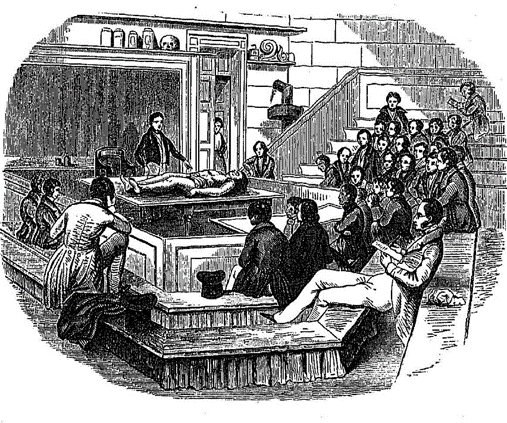
Famine & Fever in Friar's Bush Graveyard
Friday 25th September 2026
7pm - 8.30pm
A special tour of Friar’s Bush graveyard focused on the 19th Century.
The story of Friar's Bush is the story of Belfast. We begin with haphazard burials at a tiny religious settlement beyond the small town of Belfast and progress to an organised,19th-century graveyard.
You’ll learn about the struggles the people of Belfast had with disease, epidemics, bodysnatching and the effects of the Famine.
This is a small group tour, limited to 20 people and taken at a sedate pace. There will be an opportunity at the end to roam, explore and take pictures.
Suitable for all ages, but parental discretion advised.
-
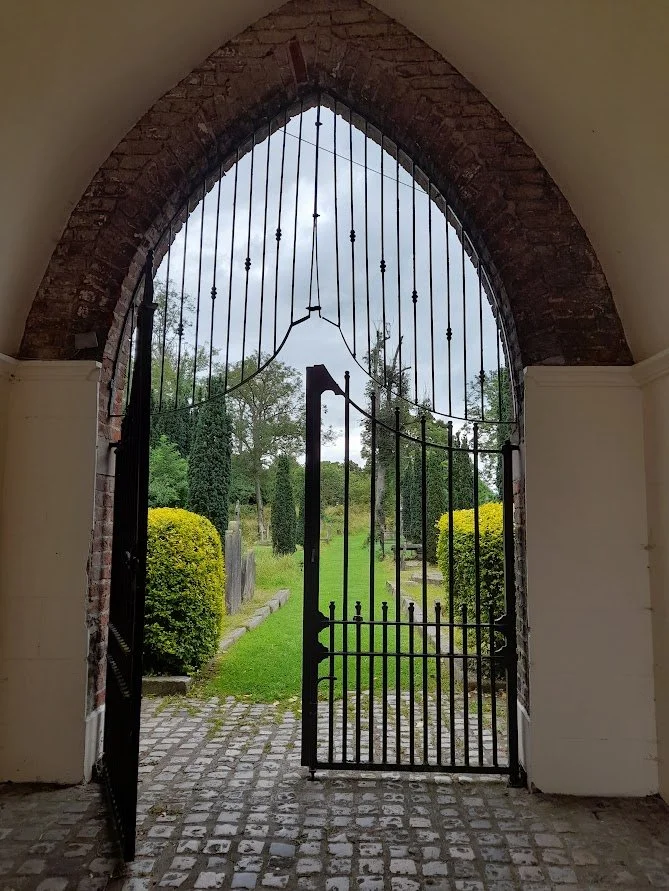
Friar's Bush Graveyard Tour
Saturday 26th September 2026
11am - 12.30pm
2pm - 3.30pm
Dr Robyn Atcheson leads this special tour of Friar’s Bush graveyard through it’s incredible long history. From an unknown religious settlement beyond the small town of Belfast to a modern 19th-century graveyard struggling with the mortality rates of the booming industrial centre. This tour takes you through the history of the graveyard, introduces some key individuals buried there and tells the story of the city of Belfast.
As this tour is led by Robyn, her special interests will also be covered - bodysnatching, the Famine and some horrible historic diseases.
Pick your preferred date from the drop down to book Robyn’s tour.
-

Pox, Plagues & Paupers - Horrible Histories of Belfast
Sunday 27th September 2026
2pm
Beginning at Belfast City Hospital
Pox, plagues, cholera – all just part of life for people in 19th-century Belfast. How did they cope with the constant outbreaks of disease? How did doctors treat the sick? Where did all the dead bodies go? This tour introduces you to the stories of the poor of Belfast and their experiences of health and sickness as well as their fears of the workhouse, hospitals and the dreaded body-snatchers.
Led by historian Dr Robyn Atcheson, this tour will open your eyes (and other senses) to what life was really like for ordinary people in 19th-century Belfast.
-
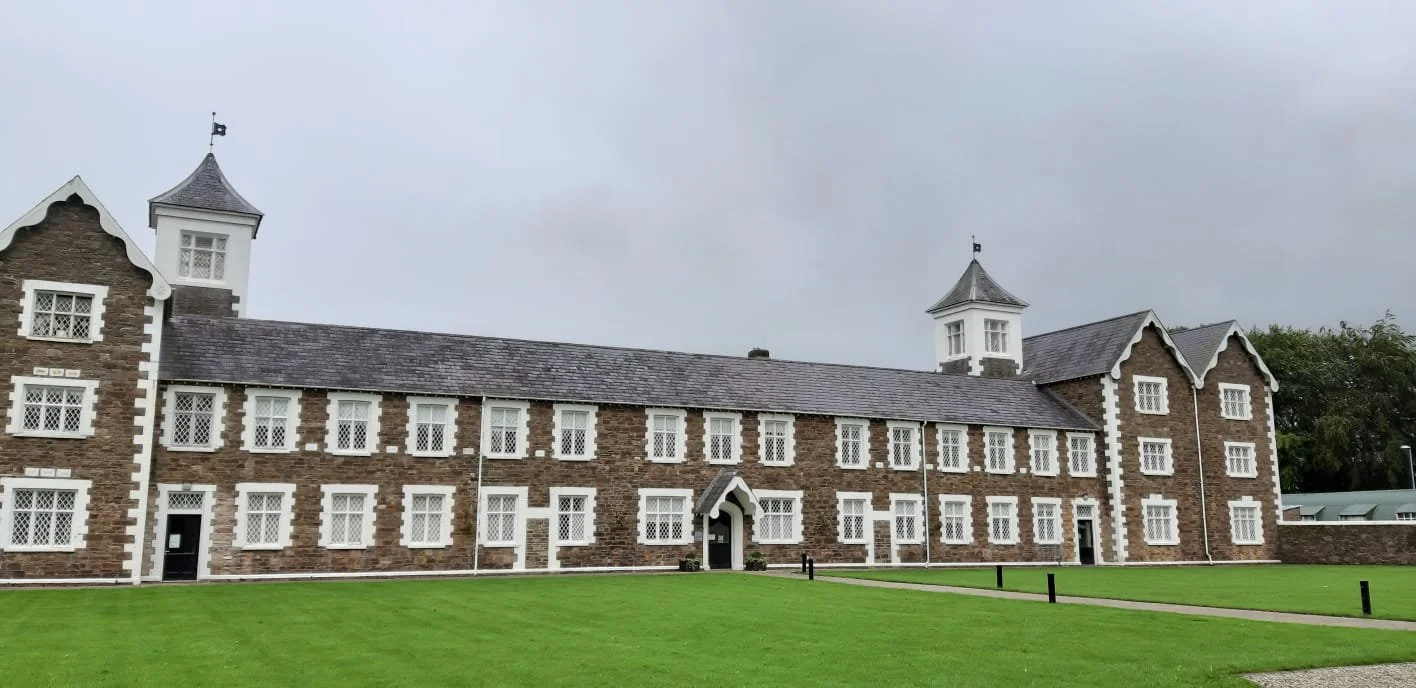
The History of Limavady Workhouse
Saturday 3rd October 2026
Tour 3pm
Talk 6pm
Limavady Workhouse
Partnered with Limavady Workhouse Museum
For a special day of events, Dr. Robyn Atcheson is partnering with Limavady Workhouse Museum to highlight the history and heritage of Ireland’s best-preserved workhouse.
Robyn will lead a tour of Limavady Workhouse and take you through the history of these remarkable buildings. You will discover what it was like to apply to enter the workhouse & what life was like for those who lived and worked there.
In the evening, Robyn will speak on The History of the Workhouse System and place Limavady within the larger context. This talk will explain how workhouses were introduced and how they changed over the course of the 19th & 20th centuries. This talk takes place in the Board of Guardians boardroom where essential decisions were made during the lifespan of the workhouse.
Tickets are available for either the tour, the talk or both!
Combined tickets are at a discounted price.
Please see event listing for more information.
-
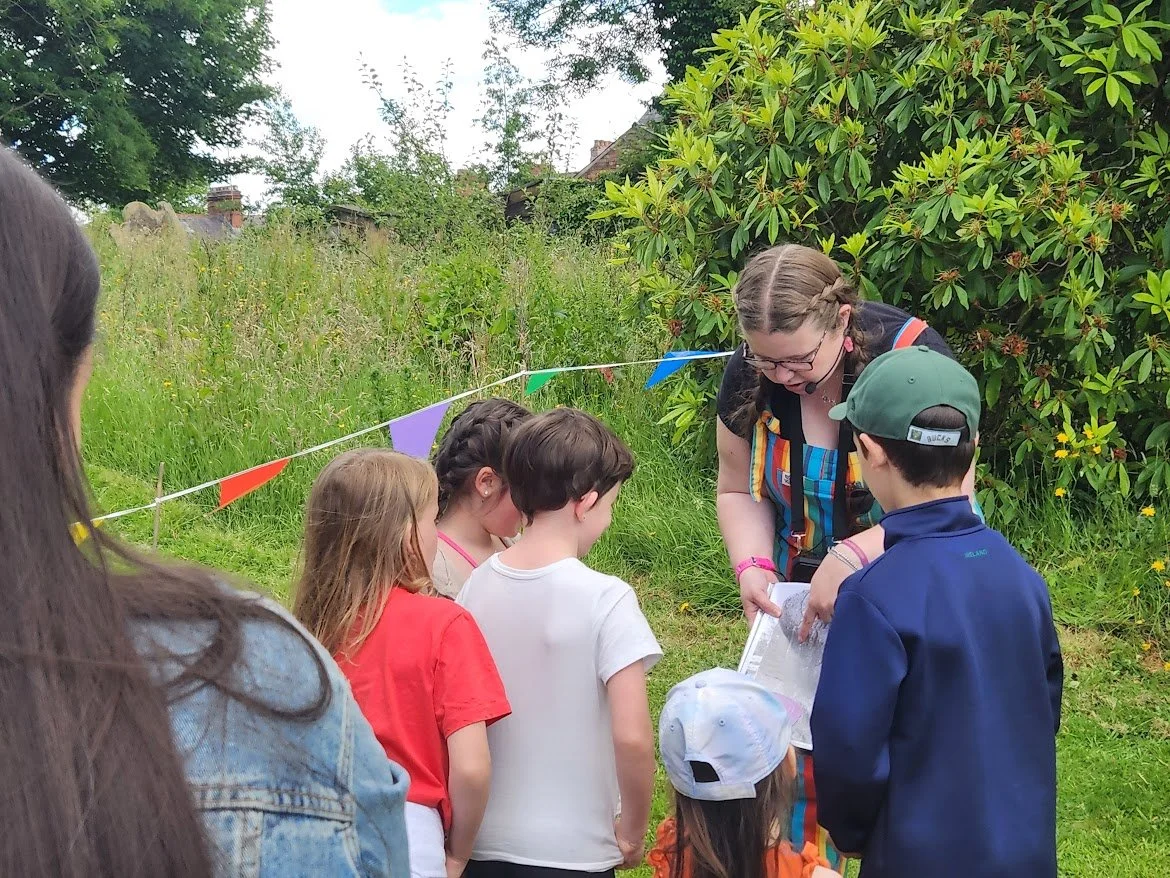
Junior Historians Club presents Grim Graveyards at Friar's Bush
Friar’s Bush Graveyard
Calling all Junior Historians!
This summer you can enter the gates of the ancient Friar's Bush Graveyard and learn all about its fascinating history from a real historian. If your child likes Horrible Histories, they will love this!
For 90 minutes, children (ages 6 - 11) will enter this graveyard and learn lots about the history of Belfast. After touring through the 19th century, children will find out all about deadly diseases of the past before receiving their Junior Historians pack. This bespoke workbook includes activities for within the graveyard as well as some bonus worksheets to take home. After each activity, historian Dr Robyn will lead the kids through what they have learned & encourage their history detecting skills.
Grown-ups will stay with their Junior Historians in the graveyard and will probably learn something too!
-
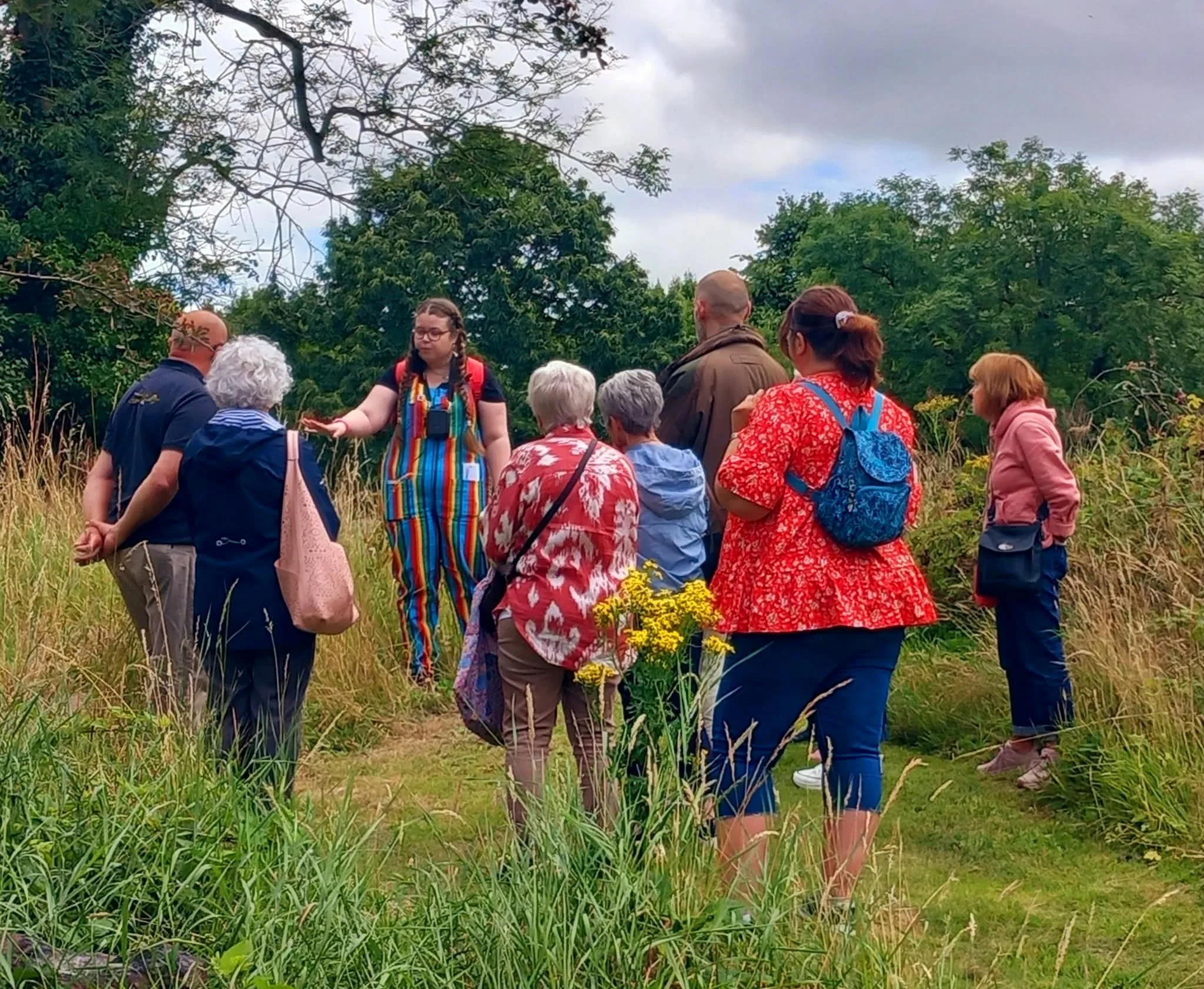
Book a Private Group Tour
Robyn is an experienced and fully-insured tour guide providing bespoke, all-ability walking tours.
Historical tours are arranged for all kinds of groups - current and retired work colleagues, church and community groups, families both local and visiting, tourists and all manner of clubs and associations.
-
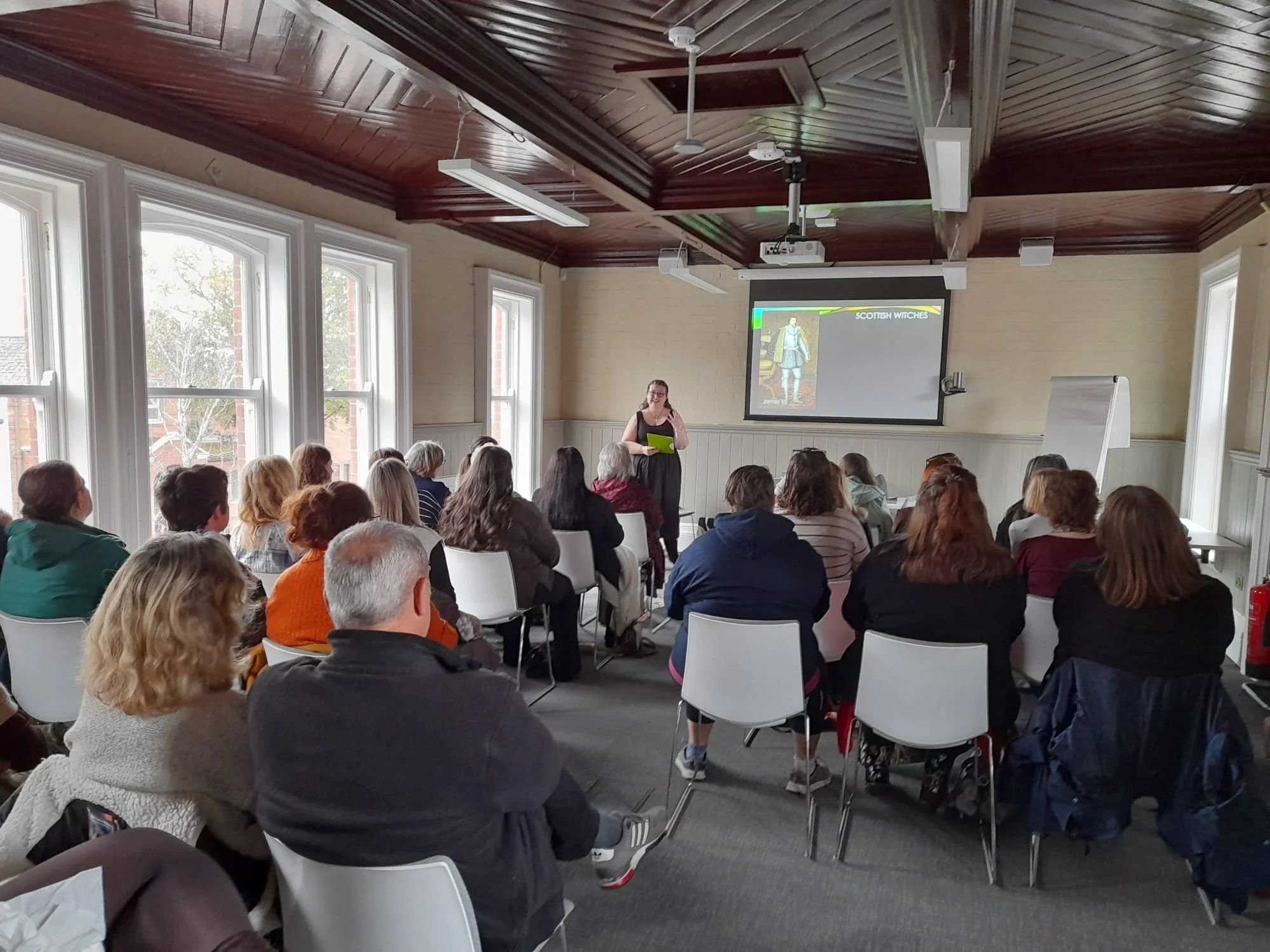
Book a Private Talk
Bring Ireland’s social history to life with a private talk or workshop tailored to your group, organisation or event. Robyn has almost two decades of experience as a history communicator and storyteller.
For those further afield talks can be delivered online and Robyn’s team is fully equipped to deliver top-notch audio and video quality with dedicated equipment and support.
Classes, Courses & Workshops
-
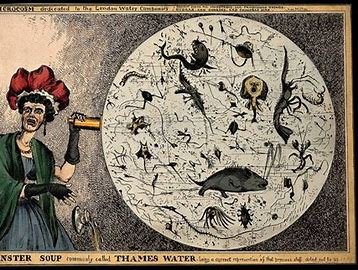
Death & Disease in Victorian Ireland & Britain
10 Week Course
Starting Tuesday 29th September
7 - 9pm
Queen’s University, Belfast
Disease was everywhere, dirt was inescapable and death was a fact of life for the people of Ireland & Britain in the nineteenth century. This course looks at the history of medicine in the Victorian era by examining how ordinary people experienced and understood diseases both common and terrifyingly new. How did new advancements in medical understanding actually help people? What happened in times of epidemic? Why was childhood mortality so high? This course will also consider the rise of institutions and the growing awareness of public health across society. Fascinating and sometimes gruesome, this course will get under the skin of the medical world of the Victorians.
-
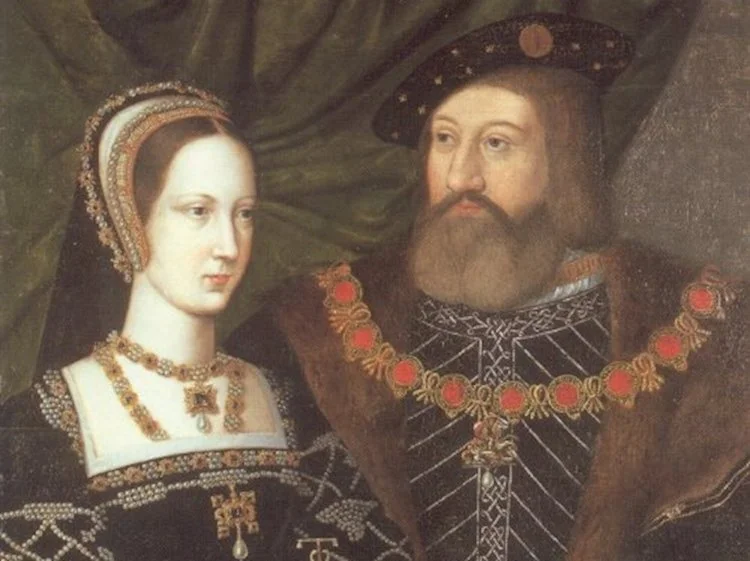
Romancing the throne: the women who scandalised the Tudor court
10 week course
Starting Thursday 1st October
7 - 9pm
Queen’s University, Belfast
This course looks at remarkable women from the Tudor court who scandalised society with their romantic relationships. It will look at women close to the throne including the known mistresses of Henry VIII, the Tudor princesses who married for love and the romantic entanglements of the Virgin Queen, Elizabeth I. The lesser-known sisters of Lady Jane Grey also made shocking love matches and were both imprisoned as a result. In this course, we'll delve into the Tudor ideals of courtly love and how women flirted with and sometimes overstepped the boundaries placed on them in the 16th century.
-
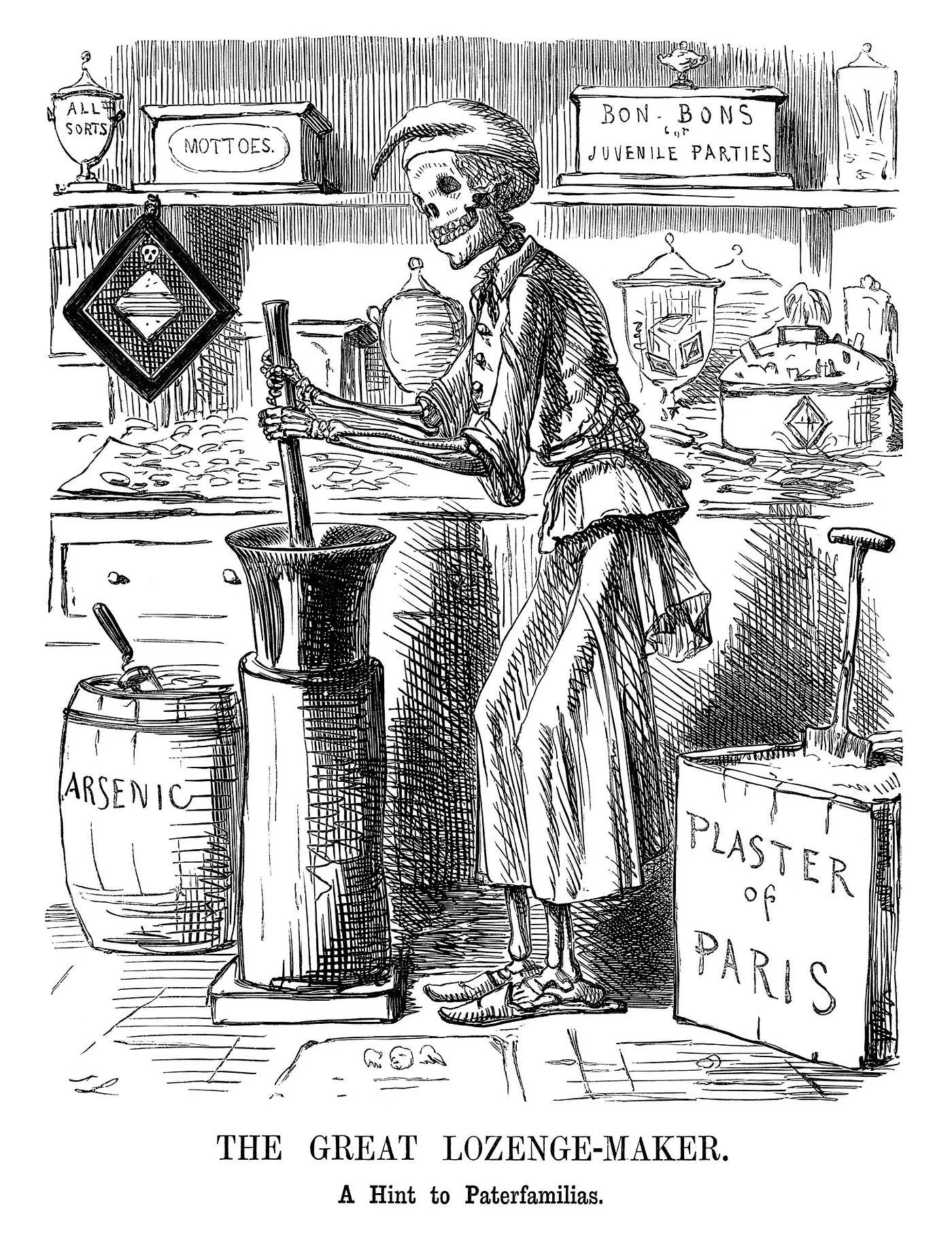
Horrible Histories for Grown Ups
5 Week Course
Starting Wednesday 21st October
7 - 9pm
Templemore Baths
Join Robyn for a 5 week course on the gruesome parts of history you weren't taught in school.
Each week will take a different theme and deep dive into topics associated with that theme.
Topics will include the Great Stink, body-snatching, syphilis, public executions, the invention of underwear, common poisons and lots more guts and gore.
Participants will receive a primary sourcebook full of contemporary sources from centuries ago which will help shape each week's discussion. No prior knowledge is necessary.
This course is not just about learning something new from an expert in social history but also about connecting with lesser-known histories, sharing stories and chat with each other and investigating using contemporary historical documents.
If you are interested in social, medical and cultural history, this course will open your eyes (and other senses) to the past.
This course has sold out at Queen's University for 4 consecutive years - now Robyn is bringing it out of the university and to the public in the historic venue of Templemore Baths Boardroom, formerly the Coroner’s Court.
Book early to avoid disappointment!
Tea & coffee provided.
-

All the Queen's Ladies: The Women Who Made Queen's University
Saturday 24th October
10am - 1pm
Queen’s University, Belfast
Queen’s College Belfast was founded in 1845 as one of three new universities – for men.
What about the women? This half-day workshop examines the campaign to open the doors of Queen’s College to ladies.
By using contemporary sources, we will track the campaigners, the trailblazing early female students and the pioneering first female lecturers through the history of Queen’s.
We will also look at wider issues on female education, classes held outside the university and the legacy of the women who made Queen’s University Belfast.
-
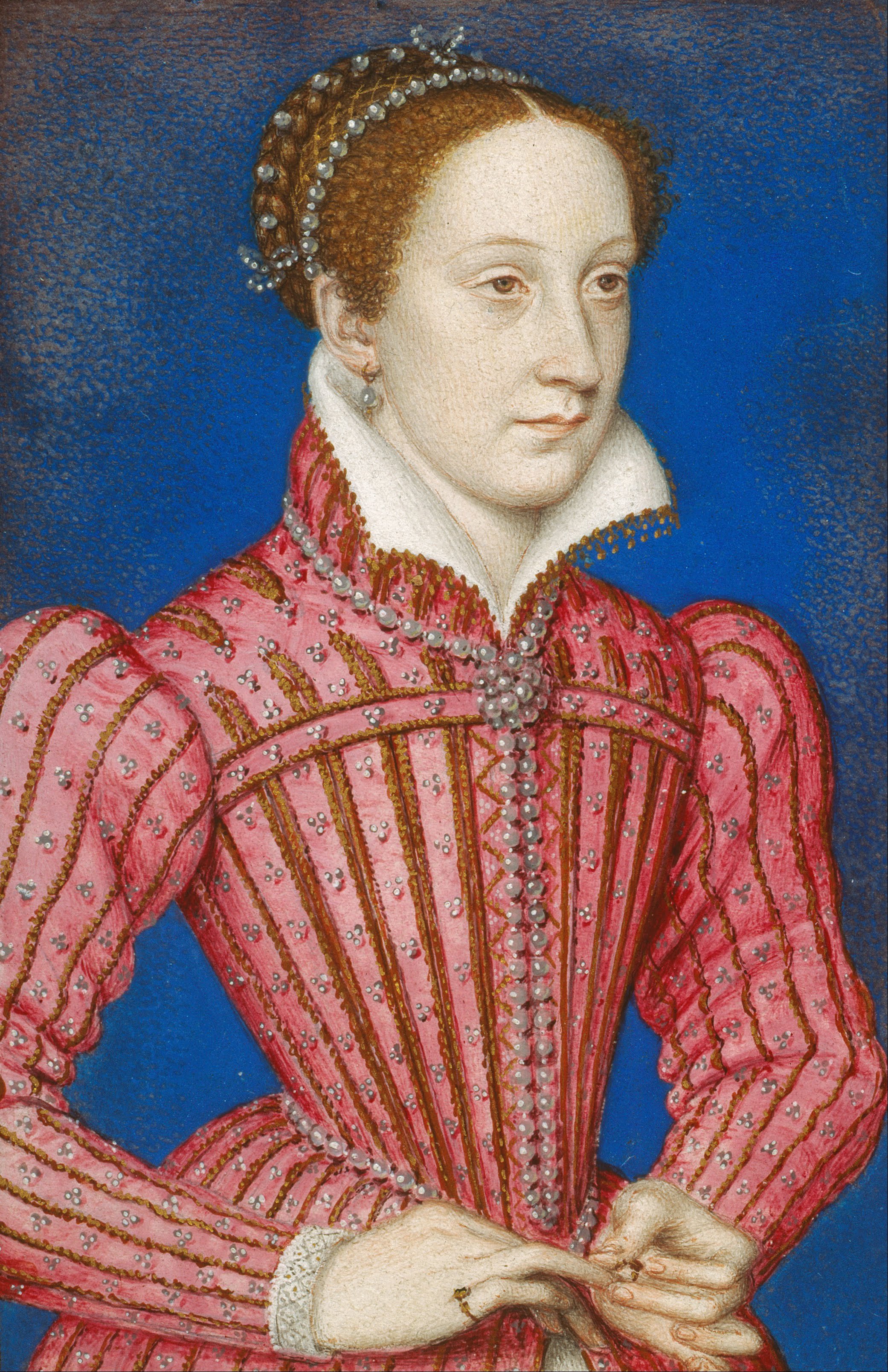
Off With Her Head! Royal Executions in February
Saturday 6th February
10am - 1pm
Queen’s University, Belfast
Katherine Howard, Lady Jane Grey, Mary Queen of Scots – three royal women with one thing in common. All three parted with their heads in the month of February.
This half-day workshop offers a deep dive into these famous executions and examines the wider history of royal executions both before and after the Tudor dynasty. We will also look at the non-royals who met their fates on the block in February. Is it the most popular month for beheadings?
What other ways could people be legally executed in the early modern period? We will use contemporary sources and media depictions to discuss these famous examples of royal executions.