Women & the Belfast Blitz
When war broke out across Europe in 1939, Northern Ireland (as part of the United Kingdom) began to prepare. Blackouts were instituted, gas masks and air raid shelters installed and thousands trained as volunteers but there was a general sense of complacency. No one seriously thought the war would come to Belfast.
“Air raid warnings and blackouts! As if anyone cared or wished to bomb Belfast!”
That complacency was shattered on the night of 7th April 1941 when German bombs were dropped on east Belfast, killing 13 people. A week later, on the night of the 15th April, the worst raid of the Belfast Blitz began, now known as the Easter Raid. Some air raid shelters proved ineffective, like one in Percy Street which collapsed, killing 30 people.
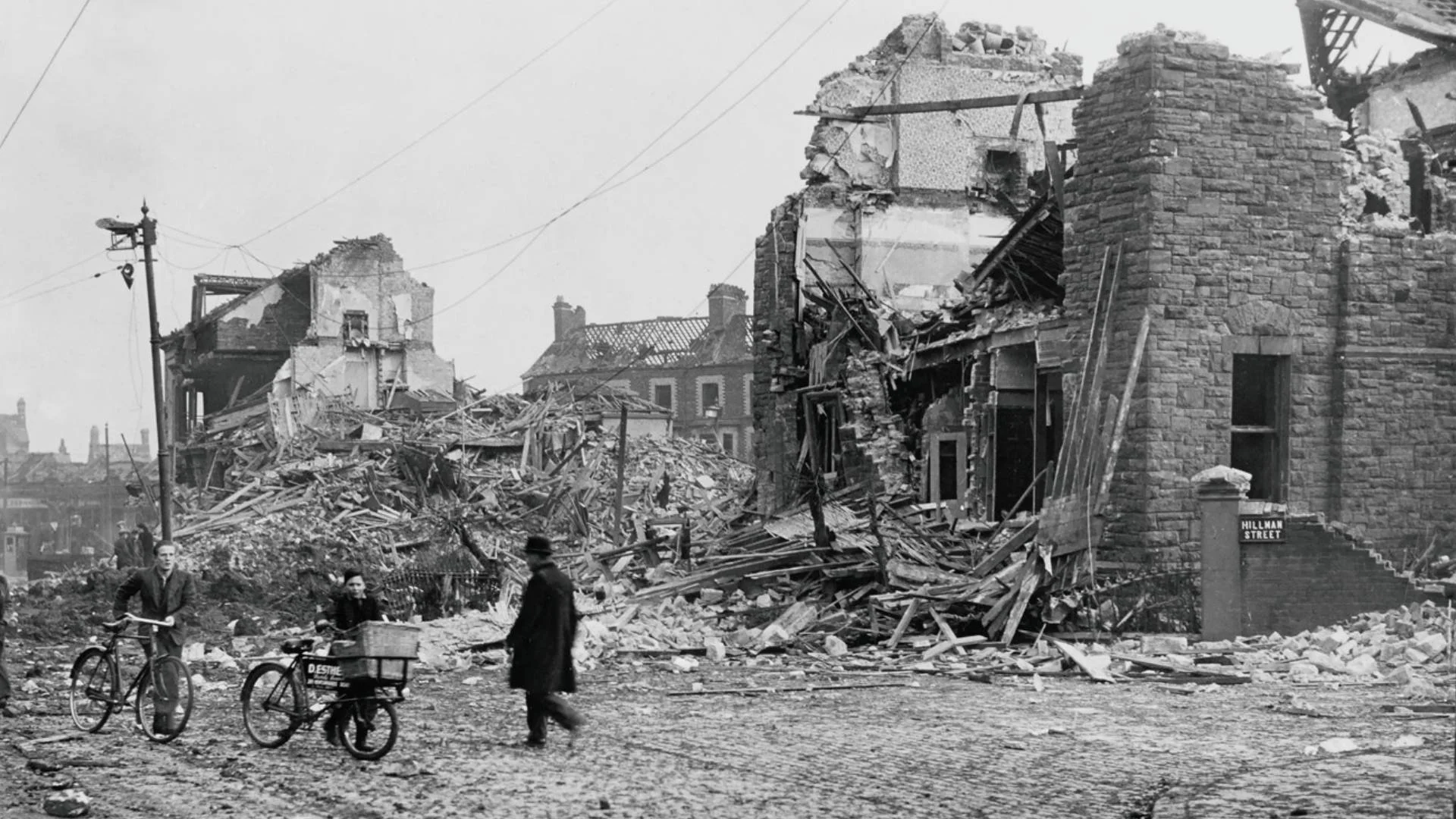
Antrim Road following the Easter Raid
Although histories of the Second World War in general focus on the experiences of men, we know a lot about the events of the Belfast Blitz thanks to the writing of women. Moya Woodside was a social worker in Belfast who volunteered as a Mass Observation diarist in 1937, she recorded her experiences in a diary. During the Blitz, she took shelter under the stairs with her husband, sharing whiskey and thinking:
“this was civilisation in 1941 – sitting shivering, bored and frightened in a cubby hole at 3.30am”
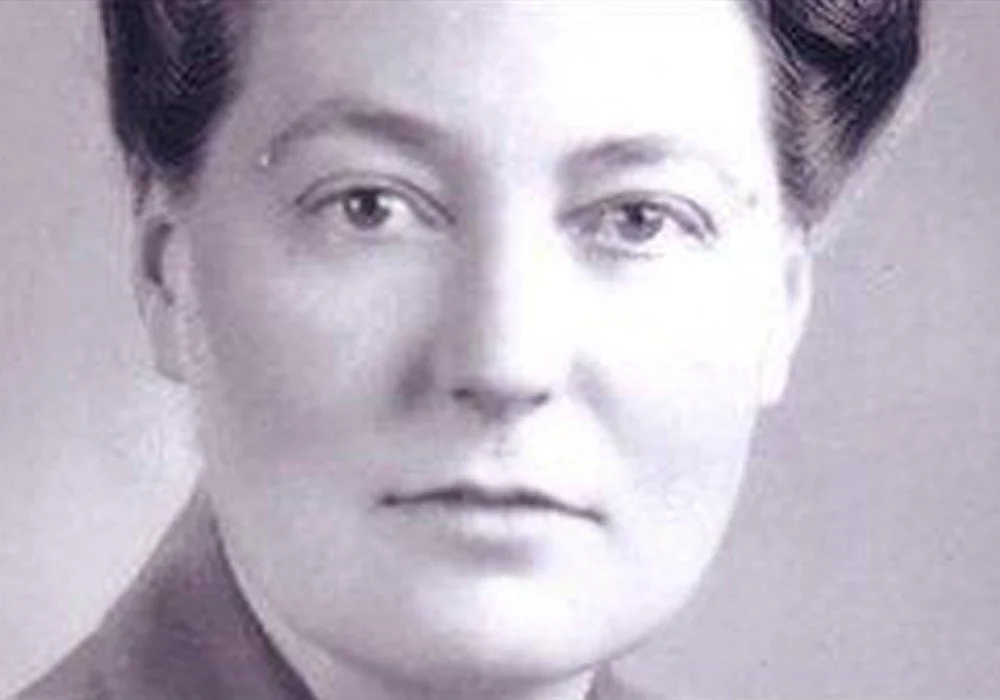
Moya Woodside
It was Nellie Bell’s wedding night, she remembered:
“a landmine just missed the shelter and struck the police station and a row of houses in the street we were in. We, the smoke and the debris all landed on our shelter and we thought we had had it.”
After the all-clear Nellie and her new husband Bob went home:
“We couldn’t imagine it would still be there, but there it was. The whole gable end was cracked and windows all broken and inside was awful. The few presents we had got were buried under the glass and dirt from the bay window which was caved in. Anything breakable was broken.”
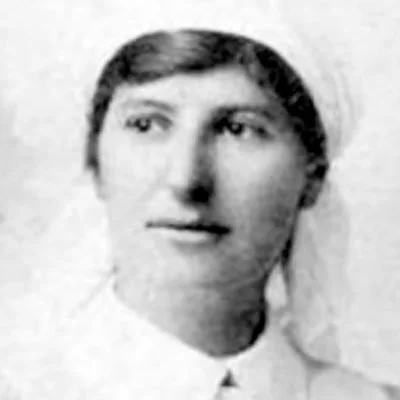
Emma Duffin
Women were not only observers of the Blitz, many had volunteered to help the war effort. Such women were instrumental in the relief efforts following the attacks.
Emma Duffin had served as a Voluntary Aid Detachment nurse in WWI and stayed in nursing during the Spanish Flu pandemic. She then returned to Belfast and got involved in the Belfast Council of Social Welfare. One of her projects was an after-care committee to help women newly released from hospital who were expected to immediately resume their household duties. Emma returned to her nursing work and was appointed Commandant of the Voluntary Aid Detatchment in Stranmillis College in 1940. Her diary provides heart-rending detail about the aftermath of the Blitz and the amount of death and destruction Belfast had to cope with. She helped at St George’s market where St John’s ambulance workers (including her sister Molly) were laying out the bodies of Blitz victims.
“Of course I said I would [help], though nobody could not but have dreaded it. Still, it was a job for an older woman and my former experience in hospital should have prepared me to a certain extent for the sight of death.”
In total 710 people were killed in the Easter Raid. Two smaller raids followed in early May. There were also casualties outside Belfast with a final death toll of 983.
This year marks 85 years since the Belfast Blitz with plans announced for a memorial in Cathedral Quarter. This memorial will be based on people’s memories of these attacks and adorned with the names of those who died.
If you’re interested in finding out more about the roles of women in NI during World War Two, I wrote a guest blog post for the NI War Memorial earlier this year, you can read it here.
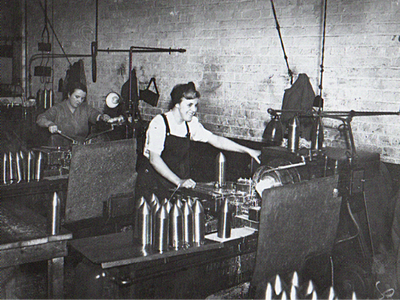
Female munitions worker in Belfast
Further Reading:
Brian Barton, Northern Ireland in the Second World War (Belfast: Ulster Historical Foundation, 1995).
Myrtle Hill, Women in Ireland: a century of change (Belfast: Blackstaff Press, 2003).